
by Victoria Bromley
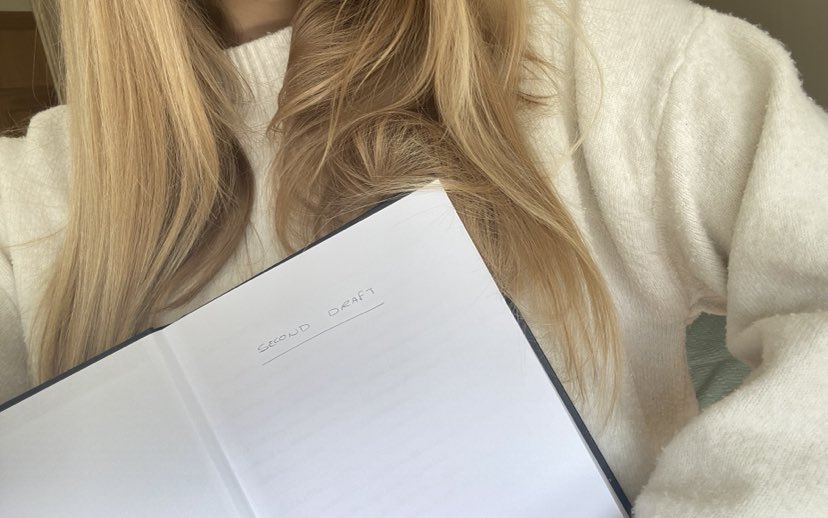
Last year I came to the Swim blog to discuss all my woes, frustrations and newfound wisdom on novel writing while battling through my first draft. Now, one year on and with that initial draft complete, I have had some space from the project by putting it into a metaphorical drawer, as many authors advise, to return to it with fresh eyes, and now I’m seeing all the lazy writing and plot holes from just pushing through to get the first draft finished.
On this journey of editing and polishing and rewriting, I want to reflect on the struggles I’ve encountered while starting my second draft, address what’s yet to come, but also be a voice to support others going through (or soon to go through) this odious task of sorting out the mess of the first draft. Yet it’s important to remember that first drafts are supposed to be chaotic and pulsing with energy, so my advise to get all the words on the page and push forwards without going back to edit remains strong. I don’t regret it because now I have a whole draft to work with.
Creating a writing routine
With the first draft I followed the helpful guidance of The 90 Day Novel by Alan Watt which gave me the structure and big picture questions to shape the whole plot. While using this resource during my first draft, I’m not following any material or self-help books for this next stage. The rigid framework I was adopting got me through the hurdles of each plot point – necessary for that initial draft – but now I want to see where my ideas take me and let my ideas flow freely now the arc is in place.
So I’m not following any rigid system, I’m on my own now, but personally I need to hold myself accountable for my progress otherwise nothing will get done. I used to strive for a daily word count (500 words a day was ideal), but as well as rewriting, I’m shaping the text, so it’s difficult to track progress by word count alone. Therefore, I set myself a specific goal for the day with a weekly target to redraft one chapter at a time. I’m currently on chapter five out of thirty (although this may change in the redrafts). This is more achievable and I can make the goal as big or as small as I like, factoring in how much time I have to write that day and how much energy I have. Some days the goal is just to write out a bullet point plan for the chapter, and that can still count as a successful writing day.
What to prioritise?
The second draft is often where the big structural edits take place. I have scenes/events which are no longer relevant at the beginning, characters who have been cut in the second half of the book, and ideas which arose towards the end of the initial draft which now need to be written into the first half. There’s a lot of cutting and adding and shifting which needs to be done.
There’s no point polishing the prose when the scenes may be scrapped or whole pages deleted. But, as always, I do tend to spend more attention than necessary on the standard of the writing at this stage.
Believe in your work
Last month I had the pleasure, along with fellow Swim Press editor Charlie, to celebrate the paperback launch of Okay Days with Swedish author Jenny Mustard. It was a glorious evening of book discussion, wine, writing, more wine, and lovely company.
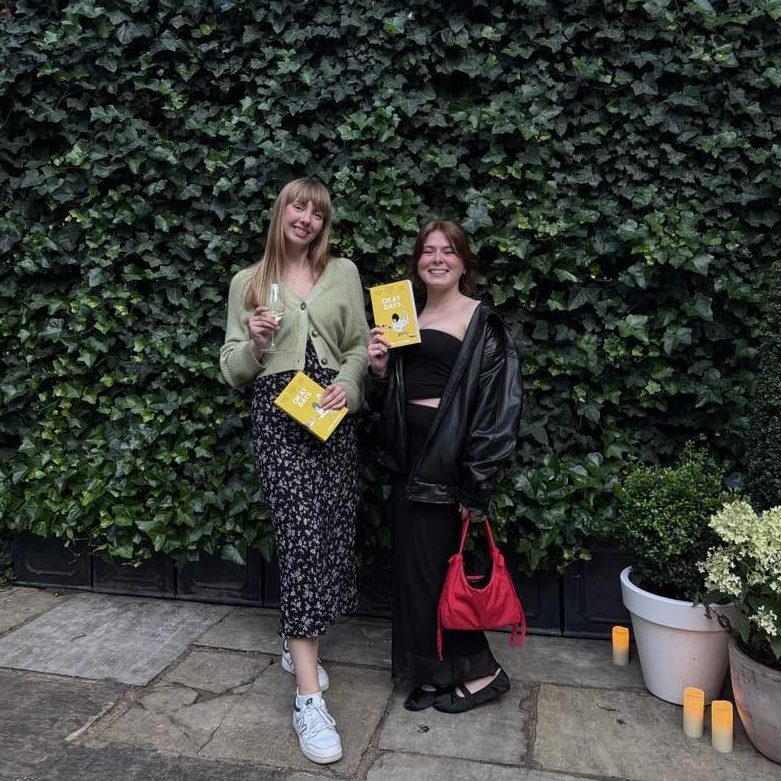
During the night, I had a wonderful conversation with Jenny about novel writing. With the manuscript submission of her second novel, and the development of the second draft of mine, she gave me some really thoughtful advise, mainly in bolstering my own enthusiasm and arrogance towards my writing. It’s important that, as writers, we believe in our work becoming the success we hope it to be, such as referring to it as our ‘debut novel’, manifesting it into existence.
What Jenny also told me, which was incredibly helpful in spurring on the progress of her drafts, is having a writing retreat at home. There’s no need to escape to a cottage in the woods or rent out a place in a new city to give yourself time to write. She told her husband what she was doing, that she mustn’t be disturb for the whole week while working solidly on the draft, and he provided meals, did the housework, and let her write. While working full time, I want to make time to write and ensure writing is a priority within my daily routine (that’s where the spreadsheet comes in). I am yet to emulate this stay-at-home writing retreat, but letting those around me know I need time and space to write, and setting aside that time so I can focus on my draft is very important. I need to get better at putting my writing first.
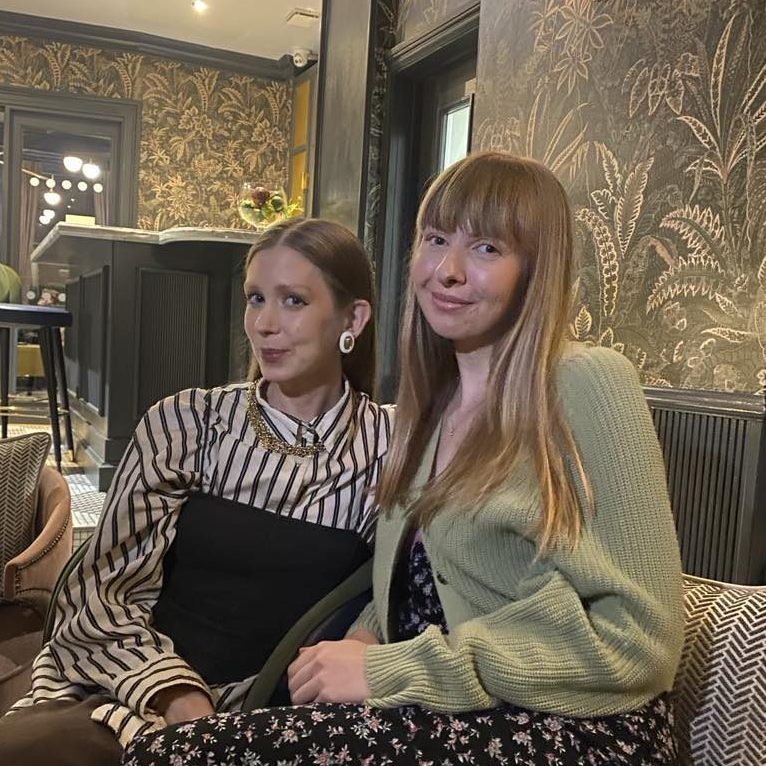
When Jenny asked me what I want to get out of this writing process, I said that I want to get to a place where I’m proud of my work, where no critique (unless it’s something I agree with) will damage my view of the work I’ve produced.
Taking inspiration from others
I have been picking up my favourite books (often ones which are similar to my novel in style, size and pace) to take inspiration. Being inspired to write can be challenging when I’m tired after work or have no new ideas. So I like to start my writing routine by picking up a book which inspires me, soaking in the language, to give me a boost of adrenaline to carry on my own writing.
A recent love of mine is Gender Theory by Madeline Docherty. The opening is set at university, so the landscape and atmosphere is very similar to my setting, therefore reading a few pages excites me to return to my characters and their world.
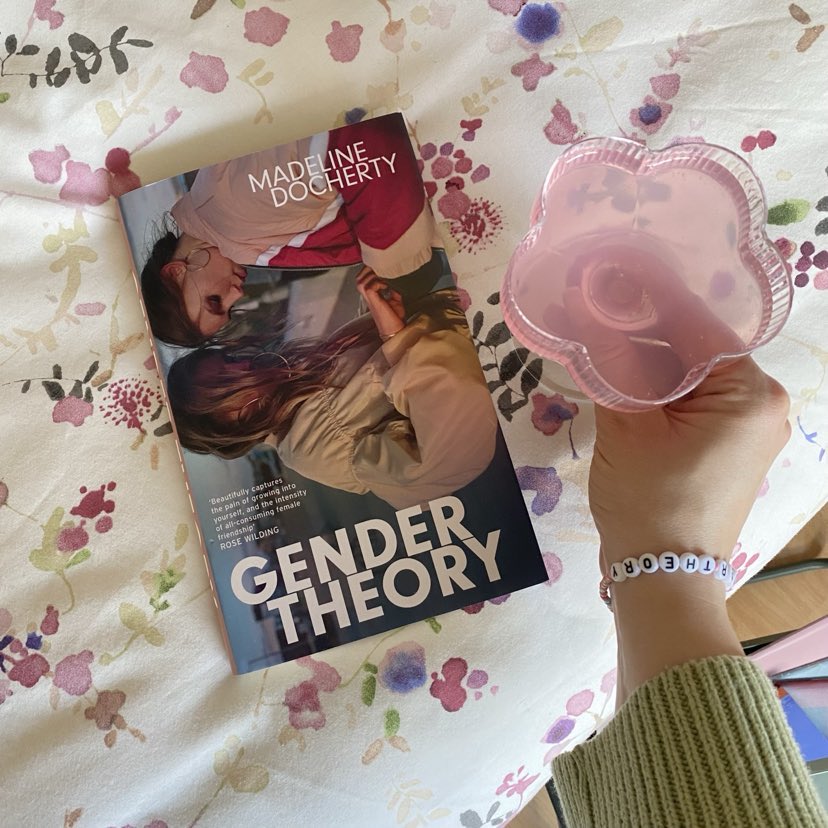
Reading widely is also crucial. I sometimes find inspiration from books miles apart from what I’m writing, and it’s important not to try to emulate others’ writing and to remain completely original and unique in your own writing style.
The ticking clock…
As an unpublished writer, I have no deadline. As discussed in my first blog about novel writing, I’m conscious about keeping this a fun and enjoyable process while still treating it seriously enough that I will get to my end goal.
Being in my early twenties, I have a lifetime of writing ahead of (hopefully this love for writing is here to stay). I am in no rush. The urgency to write should come from this desire to create and nothing else. That’s what I’m taking with me through this journey.
 swim press
Very interesting to read about your process in writing your novel.
Your no 1 fan!
Jean Squires
LikeLike