by Victoria Bromley
There have been many criticisms and caveats to using the second person perspective, yet I am a reader and writer who seeks out this point of view. There are many ways writers use this as a narrative technique, and I want to explore the possibilities this unique point of view brings to literature and the reading experience.
At school when writing creatively, we were warned against using the second person perspective. We were told that it’s limiting and too challenging to pull off. Reading a story where you are the main character seems disconcerting. You’re imposed into the mind of the character and how they behave and think. It almost feels on the same level as the ‘y/n’ (your name) notation in Wattpad fanfics where you would insert your name into the story. In that sense it’s seen as silly and not a proper point of view. But if it’s not done often, isn’t that creating a space for new possibilities?
Firstly, let’s discuss novels where the narrator is written in the second person perspective. One of my favourite ways this is done is within Ian Banks’ Complicity. This is a fairly gruelling and uncomfortable novel where the second person narrator commits violent acts, and as you are positioned as the one doing these heinous things it amplifies the horror and subsequent gothic genre of the novel. This is also used skillfully to reveal who is behind these attacks, therefore used as a narrative device and done with intent to craft a plot twist.

Other books which are narrated from the second person include Tennis Lessons by Susannah Dickey. The intimacy created between the reader and the character makes this a triumph. The writer wants you to be immersed within the character’s upbringing and feel every emotion with her. The relatability of growing up feeling different and alienated is enhanced through the perspective because you are her and she is you. This is effective for me because I am a 22 year old girl who has lived experiences of many emotions explored within the novel.
One book where I couldn’t connect with the main character due to the second person perspective is the highly praised novel Open Water by Caleb Azumah Nelson. I really wanted to love this novel, but I just didn’t. I love novels with unnamed narrators, so it’s not as if I needed a name to be able to ground me to the story, but I found this point of view created a chasm between me and the character, as opposed to drawing me into his world. I resisted that forced proximity created by the writer which made me disconnect with the book and left unsatisfied.
My favourite way the second person is used is when it’s not the narrator written in the second person, but when the narrator refers to other characters in the story through the second person. This is very different because it doesn’t involve you as the reader, you don’t have to adapt to a new way of experiencing a fictional world, instead you learn more about the narrator’s mindstyle and how they view others.

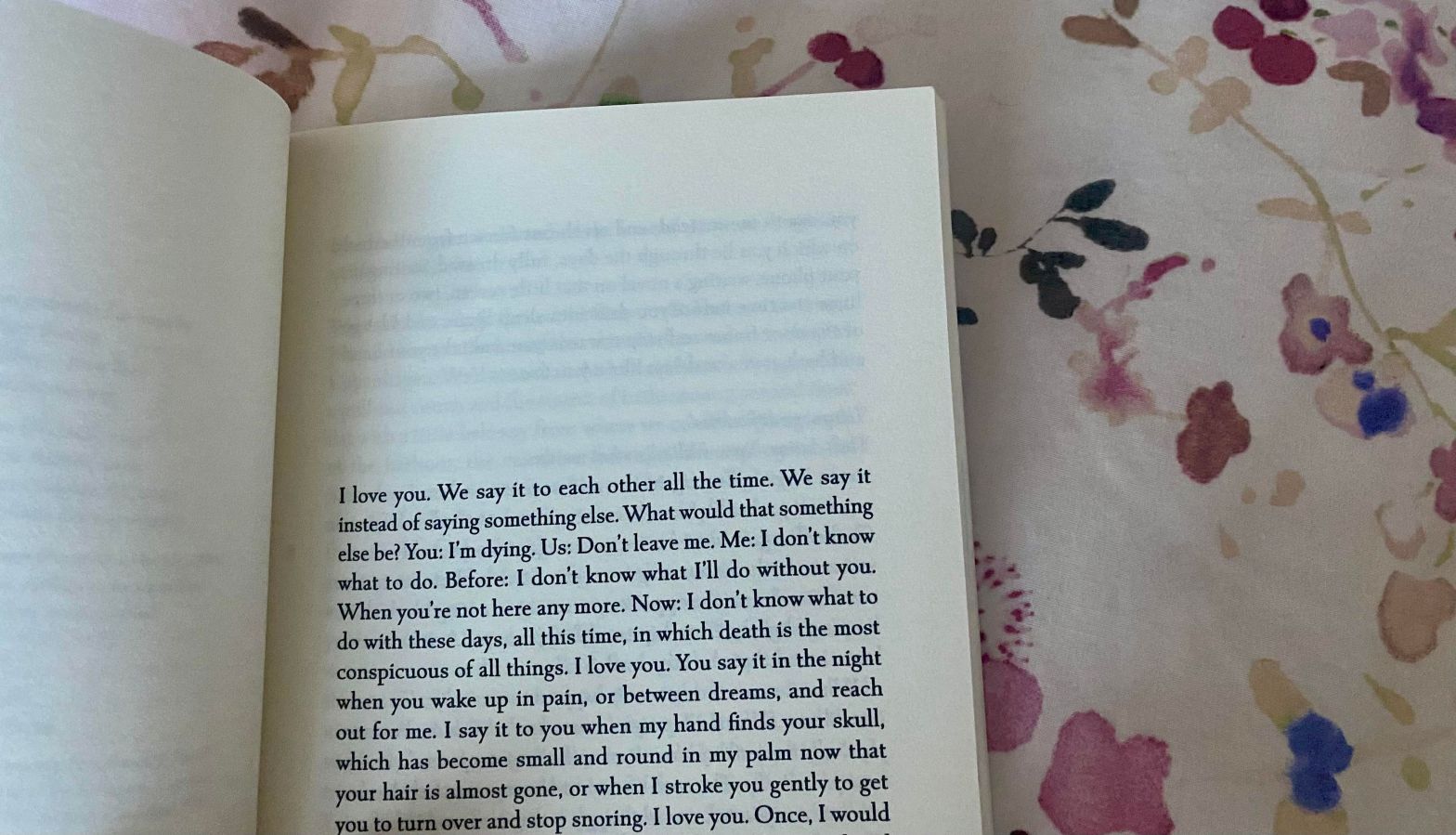
To illustrate this, let’s look at a novel which uses the second person in this way. Ti Amo by Hanne Ørstavik is a heartbreaking story reflective of the author’s own experience loving her husband who has cancer. In the book, the narrator refers to her husband through the second person: “Once, I would reach out in the night to touch your skin, to place my hand on your back, your stomach, your thigh, anywhere at all, and there’d be connection, contact.” While this creates a distance between us and the husband, it provides an intimacy between them, and in turn, a way into her mind and love for him. The story was so lyrically beautiful and part of it was due to the perspective.
When I began writing my novel, which started as a creative writing project at university, I knew I wanted to use the second person, not from the narrator’s point of view, but for the narrator to refer to the man she loved through the second person. The story itself is about falling in love with the idea of someone, not them as they truly are, in which the narrator feeds her own delusions as to who she wishes he was. The reader doesn’t have access to the man he really is, because the main character doesn’t, and all the reader knows about him is through her eyes, therefore the second person creates that distance and strips him from his true self.
I wouldn’t say I’m a rather rebellious writer or push the boundaries of writing too far, but knowing I’m experimenting with a point of view that isn’t traditionally used, and has gained popularity to become a stylistic technique in recent years, is exciting.
 swim press